Invited speakers

Prof. Isidro Cortes Ciriano
EMBL-EBI, UK
Research Group: Cancer Genomics
FOCUS
Invited lecture: Computational early cancer genome analysis at a national scale
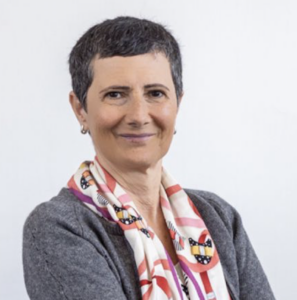
Prof. Brunella Franco
Università degli Studi di Napoli “Federico II”, Napoli
Research Group: cell biology and disease mechanisms
FOCUS
Invited lecture: The journey from gene identification to basic cell biology
Human being displays between 19.000 and 21.000 genes, less than the plant Arabidopsis thaliana (25.000-28.000) and a little more than the fruit fly Drosophila melanogaster (14.000-19.000). As we are a bit more complex than plants and fruit flies there is much to be understood on the the molecular mechanisms underlying the features that make us human, including our thinking capabilities).
I am a medical doctor, actually a paediatrician, and I have always been fascinated by biology and by the molecular bases of inherited diseases. My scientific interests followed the evolution of the technological approaches to study the DNA. Up to 10 years ago the identification of a disease gene was a time-consuming effort which could require years. Nowadays the availability of Next generation sequencing approaches makes this task much easier. The challenge is now to assign specific functions to the genes that cause genetic conditions. This is the necessary step to understand the mechanisms that cause the different diseases and to provide information to set a better management of patients and possible therapeutic approaches.
I will present examples of discoveries made while studying rare conditions leading to new knowledge on basic cell biology processes and to novel therapeutic opportunities.

Prof. Christian Gilissen
Radboudumc University medical center, Nijmegen
Research Group: Genome Bioinformatics
FOCUS
Invited lecture: Blending Genetics and Bioinformatics to study neurodevelopmental disorders
There is roughly an equal proportion of established dominant and recessive genes in which mutations that cause a severe neurodevelopmental disorder (NDD). Surprisingly, In Western (outbred) populations, the vast majority of diagnoses are by de novo mutations affecting dominant genes, and only a small minority is due to biallelic mutations in recessive genes. Conversely in more inbred populations there is a more equal distribution between dominant and recessive causes of NDDs. This suggests that selection may act on recessive carriers, reducing their overall frequency in outbred populations.
We investigated this hypothesis by selecting 55,746 different pathogenic variants in a curated set of 1929 recessive disease genes from exome data of 406,194 unrelated European individuals of the UK Biobank. We used three different constraint metrics to perform association analysis of the impact of carrying heterozygous pathogenic variants in these genes on reproductive success and cognition. We find that heterozygous carriers in recessive constraint genes are more likely to be childless (OR:1.89, p:1.8E-3 Bonferroni corrected), especially for pathogenic variants in genes underlying intellectual disability (ID; OR:2.18, p:4.4E-2). Heterozygous variants in recessive ID genes affect cognition (OR:0.29, p:1.0E-4). This effect is not seen for genes associated with other disorders. This negative selection is reflected in a threefold reduction in the frequency of recessive ID in the population relative to other recessive disorders.
In conclusion, we find evidence for fitness effects in heterozygous carriers for recessive genes, especially for variants in constrained genes that underlie intellectual disability (ID), and show that such variants affect cognition. This negative selection is reflected in a drastically altered genetic landscape.
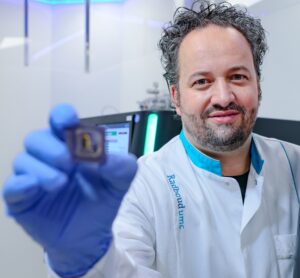
Prof. Alexander Hoischen
Radboudumc University medical center, Nijmegen
Research Group: Genomic technologies for immune-mediated and infectious disease
FOCUS
INVITED LECTURE: Long-read genome sequencing – the next rare disease revolution
Long-read read genomic technologies are strongly emerging. These include mapping technologies such as optical genome mapping (OGM), but also long-read sequencing (LRS) technologies, such as PacBio HiFi genome sequencing.
LRS allow to assess the full human genome for the first time and have the potential to revolutionize human genetics. This technology could offer a comprehensive first-tier test for clinical genetics and rare disease research. To determine the clinical utility of LRS, we performed Revio HiFi genome sequencing on 1,500 human genomes with ~30-fold coverage, including 100 mutation-positive controls that are impossible or challenging to identify by standard short-read genome sequencing, 100 severe sporadic rare disease cases as patient-parent trios, and 100 severe rare disease cases as singletons who remained undiagnosed after standard-of-care testing. Finally, we run a prospective clinical utility study of 1,000 samples representing the annual germline testing of our diagnostic division.
These studies suggest LRS could serve as a first tier generic test across many rare disease, and as such replace almost all standard-of-care assay for germline testing. In addition, LRS suggests an additional yield between 10-20% by previously hidden variants in several rare disease studies.
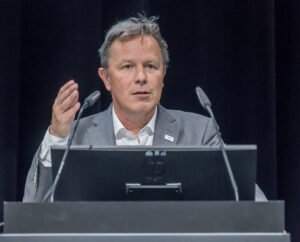
Prof. Alexandre Reymond
Center for Integrative Genomics, University of Lausanne
Research Group: Genome Structure and Expression
FOCUS
Invited lecture: Copy Number variants effects
Recurrent 600kb-long genomic rearrangements at 16p11.2 BP4-5 represent one of the most common causes of genomic disorders. They are mediated by human-specific duplications that appeared at the beginning of the modern human lineage, suggesting that their expansion has a possible evolutionary advantage that outweighs chromosomal instability.
These copy number variants (CNVs) are among the most frequent genetic causes of neurodevelopmental and psychiatric disorders, as they are found in 1% of individuals with autism spectrum disorders and schizophrenia. They were also originally associated with reciprocal defects in head size and body weight, but have since been associated with a plethora of phenotypic alterations, albeit with high variability in expressivity and incomplete penetrance. Revealing the complex and variable clinical manifestations of these CNVs is crucial for accurate diagnosis and personalized treatment strategies for carriers.
The 16p11.2 BP4-5 CNVs showcase variable expressivity and pleiotropy, as they are deleterious enough to be enriched in clinical cohorts but not enough so to be absent from population cohorts.